
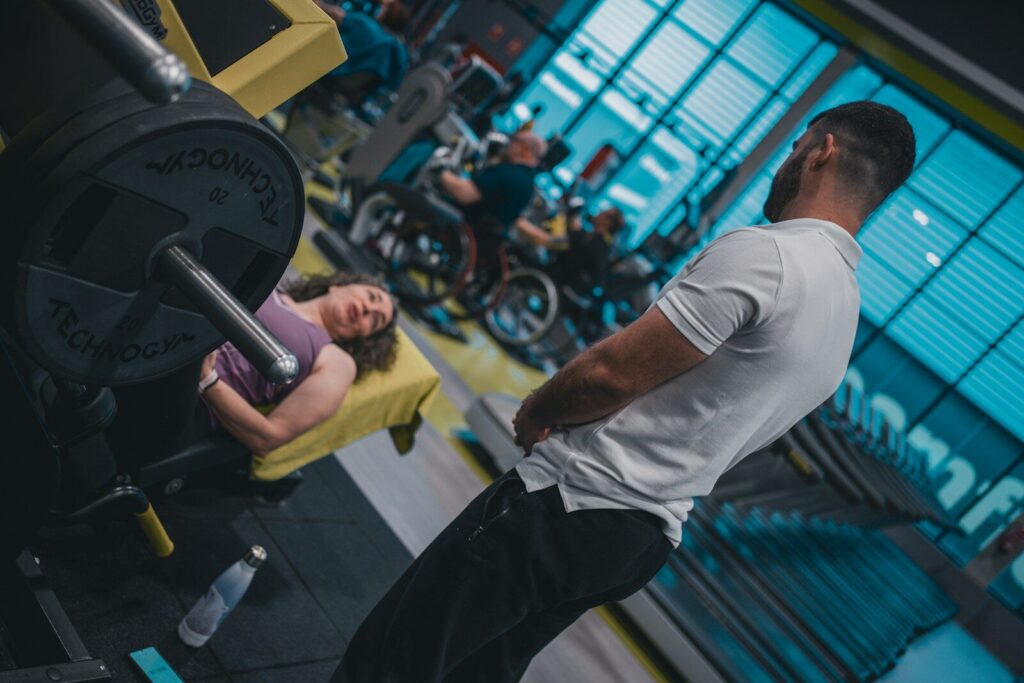
With summer just around the corner, many people feel the pressure to change their fitness routine overnight. Social media is often flooded with images of “quick fixes,” but the truth is that the best way to see real, lasting results is by starting smart. If you are looking for the perfect summer fitness kickstart, this realistic 4-week guide will help you build strength, gain energy, and improve your consistency without the burnout.
Instead of running after impossible expectations, focus on the fundamentals: your energy levels, your progress in strength, and your commitment to showing up regularly. By following a structured plan, you can enter the summer season feeling more confident and energized than ever before.
Why a 4-Week Kickstart is Perfect for Summer
Many beginners make the mistake of starting with an “all or nothing” mentality, going to the gym seven days a week, and quitting by the third week. What makes a 30-day training cycle the perfect starting point for new gym-goers? It hits the perfect balance for a few important reasons. First, it is a manageable timeline. A month is the perfect timeframe—long enough for you to actually feel a boost in your stamina and energy, yet brief enough to keep you from losing interest.
By committing to a four-week block, you are training your brain to see the gym not as a temporary punishment, but as a lifestyle. This is the foundation of sustainability. During this period, you will learn to listen to your body, understand your limits, and celebrate the small wins that accumulate into significant changes.

The 4-Week Summer Fitness Kickstart Plan
This plan is designed to ease you into the gym environment. We prioritize technique and habit-building over heavy lifting or intensity.
Week 1: Foundations and Technique
In your first week, your primary goal is simply to show up and learn. You should focus on understanding the equipment and practicing the fundamental movement patterns—like squats, pushes, and pulls.
Remember, focusing on form is always the priority. You can check out our guide on The beginner’s secret to lifting safely for more details on proper technique. Don’t worry about the weights you are lifting; worry about how the movement feels. If you feel stable and controlled, you are doing it right.
Week 2: Finding Your Rhythm
By the second week, the initial soreness might be settling in. This is normal. At this stage, the primary objective is to make gym attendance a consistent, non-negotiable part of your schedule. Try to keep your gym sessions consistent—if you planned to go on Monday, Wednesday, and Friday, make it a non-negotiable appointment with yourself.
In Week 2, you might feel a little more comfortable in the gym environment. Take this time to observe how other people train, but don’t compare your Chapter 1 to someone else’s Chapter 20. Your journey is uniquely yours.
Week 3: Progressive Gains
Now that you have the routine and the form down, it is time for “progressive overload.” This doesn’t mean jumping to the heaviest weights you can find. Essentially, this requires you to marginally outperform your previous week’s performance, ensuring steady, sustainable progress. It could be one extra repetition, a slightly slower, more controlled tempo, or a minor increase in weight.
In this essential period, your body repairs and adapts, leading to improved endurance and strength. Keep a simple logbook or note on your phone to track your lifts. Seeing your numbers improve, even by a small margin, is the ultimate motivator.
Week 4: Consistency and Beyond
Congratulations, you have made it to the final week of your kickstart! The goal of this week is reflection. Ask yourself: How is my energy level? Do I feel more capable in my daily life?
Use this week to solidify the habits you have built. True success isn’t about the numbers on the scale; if you’ve stuck to your plan, you’ve already achieved your primary goal. Keeping your momentum alive after summer ends is straightforward, since you’ve already built the self-trust needed to stay committed.

Your 4-Week Progress Overview
To help you visualize your fitness roadmap, here is a breakdown of what you can expect during each stage of your journey. Use this guide to keep your goals clear and focused.
| Week | Development Stage | Main Objective | Core Training Focus |
| Week 1 | Establishment Phase | Mastering movement patterns | Technical precision |
| Week 2 | Routine Stabilization | Building gym attendance | Creating consistent habits |
| Week 3 | Incremental Development | Gradual performance increase | Applying progressive overload |
| Week 4 | Habit Integration | Long-term planning | Establishing sustainable rhyt |

Frequently Asked Questions
Do I need to take supplements to see results?
Supplements are designed to fill minor gaps in your nutrition, not replace your meals. Your main priority should be mastering your daily whole-food intake before considering anything else. During these first four weeks, focus entirely on real meals—food with protein, fiber, and healthy fats. Getting your nutrition from standard food sources is more effective and sustainable than relying on powders or pills in the beginning.
Should I prioritize cardio or strength training during these 4 weeks?
This depends on your personal preference, but for this kickstart, we emphasize strength training. Building muscle is one of the most efficient ways to improve your metabolism and feel more capable in your daily life. You can certainly add light cardio (like a 15-minute walk) to your sessions, but don’t let it distract you from learning the fundamental lifting patterns.
What is the best way to deal with a skipped gym day?
Life happens, and it is completely fine to miss a day. The “all or nothing” mindset is exactly what we are trying to avoid. If you miss a session, do not try to “make it up” by doing double the work the next day—that is a fast track to injury. Simply move on and get back to your routine at the next scheduled time. Consistency is about the long-term, not about being perfect every single day.
Safety First: How to stay consistent without overtraining
Physical activity should be a celebration of what your body can do, not a struggle. To stay on track throughout your summer fitness kickstart, follow these safety guidelines:
- Hydration Strategy: Keep your body well-supplied with water throughout the entire duration of your exercise session. Summer temperatures rise, and so does your sweat rate.
- Prioritize Sleep: Your muscles grow and repair while you sleep, not while you are lifting. Prioritize your sleep schedule by aiming for a solid 7 to 9 hours of quality shut-eye each night.
- Pay Attention to Physical Feedback: You need to learn how to tell the difference between the constructive soreness of a tough session and the warning signs of real pain. If something hurts in a joint or feels sharp, stop immediately and adjust your movement.
- Nutrition is a Pillar of Success: Nourish yourself with natural, unprocessed ingredients. To ensure efficient post-workout recovery, prioritize high-quality proteins, steady-energy carbohydrates, and a variety of colorful vegetables.
- Rest Days are Training Days: Never skip your rest days. They are essential for preventing burnout and keeping your motivation high.
Conclusion
The best summer body is a healthy, strong, and energized one. This 4-week program is just the beginning of your fitness journey. Whether you are doing this to gain more energy for summer activities or to build a stronger foundation for the long term, remember that consistency will always beat intensity.
Start your journey today, keep it simple, and enjoy the process of becoming a stronger version of yourself.